
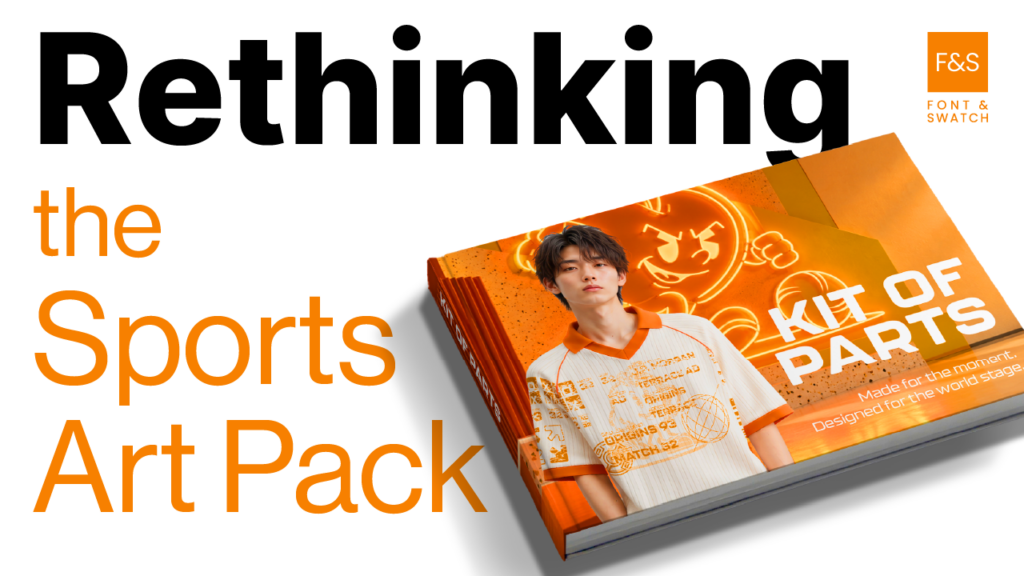
Art packs and style guides are an essential part of sports licensing. They ensure logos and official graphics are used correctly, colours remain consistent and licensed merchandise stays aligned with the brand.
But today’s sports fans expect more than consistency.
A modern sports art pack should give licensees both brand governance and creative direction. It should help licensees understand not only how a sports brand looks, but what gives it meaning to its fans, why those connections are important and where new merchandise opportunities may exist.
That means moving beyond logo placement and seasonal graphics towards richer creative direction built from sporting heritage, fan culture, athletes, moments, identity and the wider visual language of the brand.
The objective is not to design the finished merchandise for licensees. It is to give them a stronger creative foundation from which to design it.
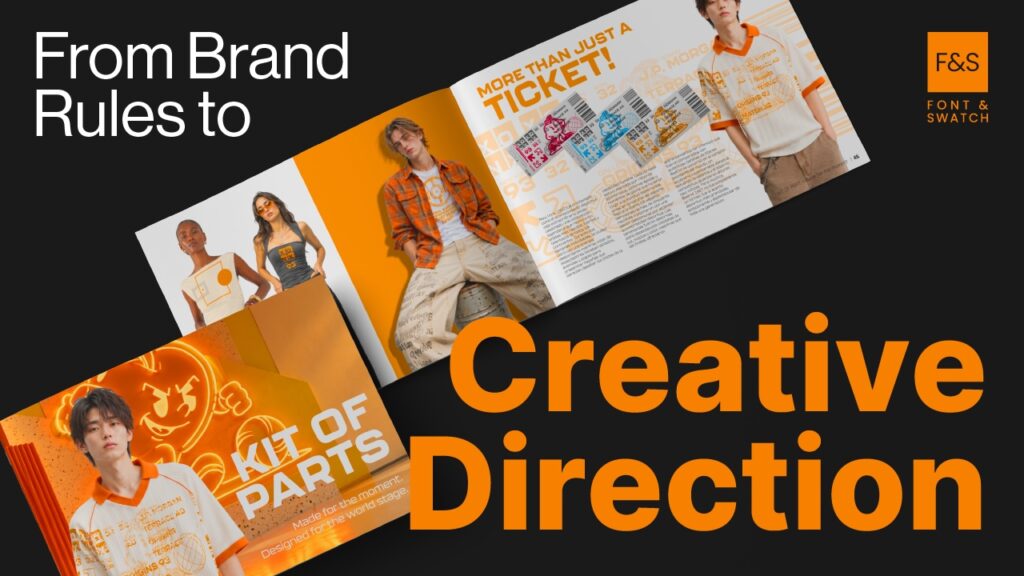
From Brand Rules to Creative Direction: What Should A Modern Sports Art Pack Do?
Art packs have traditionally extended a brand’s guidelines into merchandise.
They provide essential direction around logos, colours, typography, approved graphics and brand application. This protects consistency across products and ensures every licensee is working within an agreed visual framework.
Those foundations are still important.
But consistency alone does not create merchandise fans want to buy.
The challenge is that when licensees have only a logo, colour palette and perhaps a seasonal graphic to work with, the safest commercial option is often to return to familiar territory.
Another cap. Another hoodie. Another tee with a slightly different logo treatment.
That response is understandable. Licensees carry the commercial responsibility for developing, manufacturing and selling their products. Without broader creative resources or a clear path towards something different, conservative design decisions can feel like sensible decisions.
Over time, however, this can create a merchandise programme where individual colours change but the overall proposition does not.
The sporting season moves forward. The fans move forward. Culture moves forward.
The merchandise should have the ability to move forward too.
An art pack should therefore do more than answer: “Where does the logo go?”
It should also help answer: “What could this brand become in the hands of a licensee?”
And, most importantly: “What will connect with today’s fan?”
The best art packs do not simply protect the brand. They inspire better merchandise.
Your Brand Is Bigger Than Its Logo
A sporting organisation owns far more creative equity than its primary mark.
There is history.
There are athletes, competitions, rivalries, places, supporter rituals, language, chants, numbers, dates, archival graphics, typography, uniforms, memorable seasons and moments fans talk about years later
There is also the contemporary culture surrounding the sport.
Fans connect through social channels, fashion, travel, music, communities and everyday life. Their relationship with a sporting brand does not switch off when they leave the stadium.
But much of the creative value sitting inside that relationship never makes it into merchandise.
When the creative resources available to licensees are limited, those licensees naturally gravitate toward the most obvious assets. Usually, that means the logo and team colours.
A broader creative approach can turn the organisation’s existing identity, history and fan insight into practical design inspiration: graphics, patterns, colour combinations, typography, visual references, storytelling themes and application ideas that licensees can interpret in different ways.
Importantly, this does not mean prescribing the finished product.
It means giving licensees more places to start.
How Better Art Packs Help Sports Licensees Create Better Merchandise
Supporters are not simply collecting products.
They are collecting memories.
They celebrate players, moments, victories, rivalries and shared experiences. They remember where they were when something happened. Who they were with. What it meant. Why they still talk about it.
Merchandise can turn those connections into something tangible.
“That is why modern art packs need to offer more than generic recommendations for another cap, hoodie or drink bottle”.
A stronger framework can encourage licensees to consider collections inspired by a significant player, an iconic moment, a visual element from the organisation’s history, supporter culture or a less frequently used part of the brand identity.
Heritage is particularly valuable here, but heritage does not mean simply reproducing an old logo on a new garment.
The opportunity is to identify what remains relevant and translate it in a contemporary way.
The result is sports merchandise with a stronger story behind it and, ultimately, a stronger reason for fans to buy it.
- For licensees, that creative direction removes guesswork.
- For sporting organisations, it creates a more consistent and compelling merchandise program.
And for fans, it creates merchandise that feels connected to something they already care about. Recent PwC research reinforces this connection between merchandise and identity, finding that loyalty and emotional attachment remain important drivers of sports merchandise purchases.
From Gameday to Everyday
There is also an opportunity to consider where merchandise is being worn.
Traditional supporter merchandise is important. Jerseys, scarves, caps and gameday products continue to play an essential role.
But they do not need to define the limits of the merchandise programme.
Fans experience sporting identity throughout their everyday lives. The same person who wears a team jersey on Saturday may want a subtler connection with the brand at work, while travelling, at a café or as part of their normal wardrobe.
Creating greater visual flexibility allows licensees to explore different occasions, audiences, styles and product categories without disconnecting from the underlying sports brand.
This does not dilute the brand.
Done properly, it expands its relevance.
Better Creative Guidance Creates Better Merchandise
Better merchandise rarely begins with the merchandise itself. The strongest licensing programmes are supported by clear creative thinking from the beginning.
A modern contemporary sports art pack should include:
- product styles and categories
- supporter behaviours and audience expectations
- sporting heritage and archival material
- athlete and fan identity
- storytelling opportunities
- alternative graphics and patterns
- broader colour possibilities
- visual inspiration for future collections
- examples of how brand assets can flex across different merchandise applications
Instead of simply policing brand standards, the art pack becomes something licensees can actively create from.
It establishes the direction without prescribing the destination.
Licensees retain the freedom to interpret, design and develop merchandise for their categories and audiences, but they begin from a richer and more relevant creative foundation.
That removes some of the guesswork without removing creativity.
Why Sports Merchandise Becomes Repetitive
Every sporting organisation wants merchandise that feels distinctive.
Yet many licensing programmes fall into a predictable cycle: what sold last season informs this season. Familiar formats become safer. Experimentation narrows.
The result can be safe merchandise drawn from the same supporter playbook.
A stronger art pack can introduce fresh possibilities while remaining firmly connected to the core brand. It can demonstrate that there are multiple ways to express sporting identity rather than one approved logo treatment repeated across multiple products.
For licensees, that creates confidence to explore.
For sporting organisations, it can support greater consistency at a brand level while encouraging more diversity at a product level.
And commercially, greater product diversity creates more opportunities to connect with different supporters, occasions and buying motivations.
Frequently Asked Questions
What is a sports art pack?
A sports art pack gives merchandise licensees the approved brand assets and creative direction they need to develop licensed products consistently. Modern art packs can include logos, colours, typography, graphics, patterns, heritage references and merchandise inspiration.
Why do sports licensees need more than brand guidelines?
Brand guidelines primarily protect consistency. Licensees also need enough creative material to explore different products, audiences and merchandise ideas without moving away from the sporting brand.
How can an art pack improve sports merchandise?
A stronger art pack gives licensees more creative starting points. That can support greater product diversity, make better use of sporting heritage and fan culture, and reduce reliance on repetitive logo-led merchandise. As strong sports art pack increases the commercial value of the Sports Brand.
Looking Beyond The Ordinary
Sports licensing teams should not have to become merchandise designers.
Nor should licensees be expected to invent an entire creative strategy from a logo sheet and a set of brand rules.
There is a valuable space between those two positions.
It begins with understanding what fans actually connect with, identifying the assets that already exist within the sporting brand and translating those assets into creative resources that give licensees somewhere meaningful to begin.
Great merchandise starts long before a product reaches the shelf.
It starts with better thinking, better insight and better creative foundations.
At Font & Swatch Branding Agency Sydney, we work with sports clubs, leagues, governing bodies and major sporting events across sports branding, licensed merchandise, brand identity and sports art packs.
Font & Swatch create Brand Identities with the understanding that brands need to be powerful enough to work across many audiences and applications.
The same principle applies to sport.
Your logo will always matter.
It just shouldn’t do all the work.
Learn more about our Sports Branding And Licensed Merchandise Services.
