
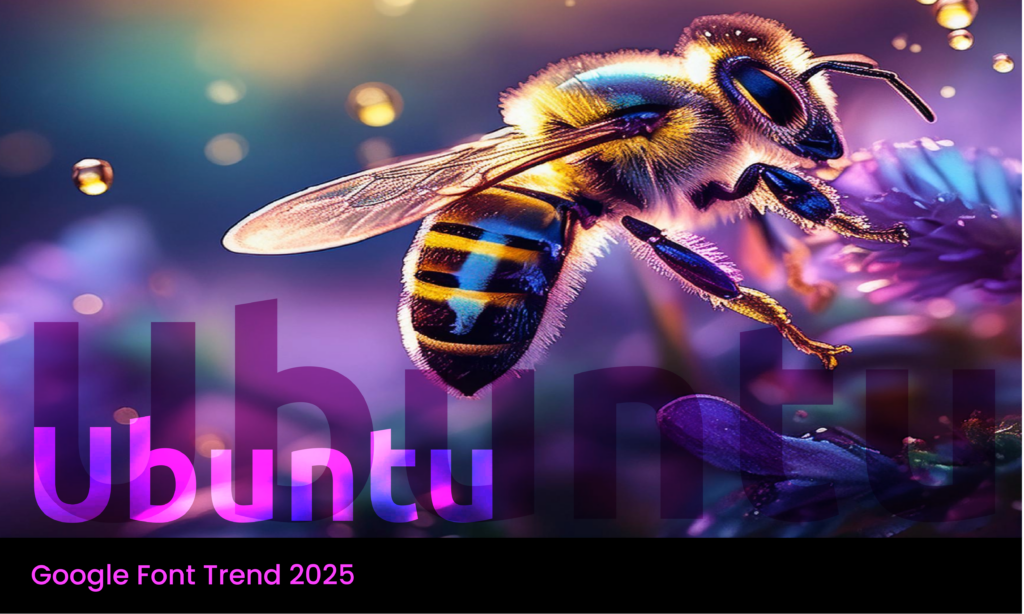
Ubuntu Font is a sans-serif typeface developed by Dalton Maag and funded by Canonical Ltd. Released in 2010-2011, it was designed primarily for digital screens and is the default typeface for the Ubuntu operating system. It is free, open-source, and widely used across the web, making it a practical choice for designers looking for a modern and versatile font.
Design and Characteristics
Ubuntu Font has a clean, geometric structure with subtle humanist elements that make it feel approachable. It was designed with OpenType features and has been manually hinted for clarity on desktop and mobile screens.
Key Features:
- Sans-serif – Simple and modern, with a balanced letterform structure.
- Readable at Small Sizes – Optimized for screen use with clear spacing and kerning.
- Multi-Language Support – Covers Latin, Greek, Cyrillic, and more.
- Variety of Weights and Styles – Available in 22 styles plus a variable font, allowing for adjustments in weight and width.
- Ubuntu Mono – A monospaced version for developers and technical applications.
How It Feels
Ubuntu Font has a precise and structured appearance, but the rounded curves add a friendly quality. It doesn’t feel overly rigid or mechanical, making it well-suited for both corporate and consumer-facing brands. It works well for tech companies, digital platforms, and software interfaces where a modern but welcoming aesthetic is important.
Where to Use Ubuntu Font
- Web and UI Design
Ubuntu Font s optimised for digital screens, making it a reliable choice for websites, mobile apps, and software interfaces. It remains legible across different devices and resolutions, which is why it appears on millions of websites globally. - Technology and Software Branding
Since Ubuntu Font was developed as the default typeface for a widely used Linux-based operating system, it naturally fits within tech branding, coding platforms, and open-source projects. The font’s clarity makes it a solid choice for UI elements, navigation menus, and dashboards. - Corporate and Professional Use
With its balanced design, Ubuntu is suitable for corporate branding, presentations, and professional documents. It conveys modernity and precision without being overly formal.
Font Pairings
Ubuntu pairs well with fonts that contrast its modern, geometric style. Some recommended pairings include:
- Lora – A serif font that adds warmth to Ubuntu’s structured design.
- Source Sans Pro – A neutral sans-serif for body text in longer documents.
- Rokkit – A slab serif that creates a strong visual contrast.
- Prompt – A geometric sans-serif with a contemporary feel.
Final Thoughts
Ubuntu is a practical, well-designed font that balances structure and approachability. It is widely used in digital and tech-related designs but is versatile enough for general branding and corporate applications.
At Font & Swatch Branding Agency Sydney, we help businesses choose fonts that strengthen their brand identity. If you’re looking for a modern and highly readable typeface, Ubuntu is a solid option.
Font & Swatch Branding Agency specializes in creating powerful brand identities that engage audiences and stand out in competitive markets.
- Fajalla One – Bold, Condensed and Created To Be Noticed
- Teko Font – Bold Simplicity With Cultural Flair
- Ojuju Font – Born Of African Dogon Dancers
- Space Mono – Newfangled And trailblazing
- Oswald – Where Serious Meets Style
- Abril Fatface – Timeless Elegance & Bold Allure
- Pacifico Font – Surfs Up!
- Vollkorn – quiet, modest and elegant
- Playfair – classically designed with modern appeal
- Montserrat – inspired by the beauty of Buenos Aries
- Lato Font – its Polish for Summer
- Comforter – the kitten of Google Fonts
- Gotham – the font that elected a President
Every customer touchpoint with your brand should communicate personality, value, and invoke the desired emotional response. At Font & Swatch, we work to unlock the true power of your brand, making it remarkable.
